
What Does It Mean When A Venue Has An In-House Caterer?

Who’s putting food on this plate?
Throwing a party of any kind — micro wedding, shower, corporate event, holiday party and anything else that calls for a fabulous space and some thought — inevitably means figuring out the food. That means researching venues should always involve scanning food and beverage policies. As you do that, you’ll probably see references to in-house caterers. You can probably puzzle this out, but for the sake of clarity, let’s go ahead and explain it.
When a venue has an in-house caterer, it means the venue supplies all food and drinks for your event through its own kitchen and staff. It’s usually positioned as a perk — yay, the food is handled! But in most cases, that in-house caterer situation means you can’t bring in an outside caterer or your own food and you’ll often be required to spend a set amount on food and beverages.
The in-house caterer language is typically one of the first things you’ll spot on a venue’s website, usually tucked into a line like “exclusive in-house catering.” Again, it’s sold as a benefit, and sometimes it is. But it also shapes your menu and your budget and it usually means your aunt probably can’t bring her famous tamales.
Clearly, understanding in-house catering rules is really important, and the party-throwing pros here at Flow’s Boutique Venue in Reno are here to help. Here’s what in-house catering really means, how it compares to outside catering and what to ask before you sign a contract.
In-house vs. outside catering: what’s the difference?
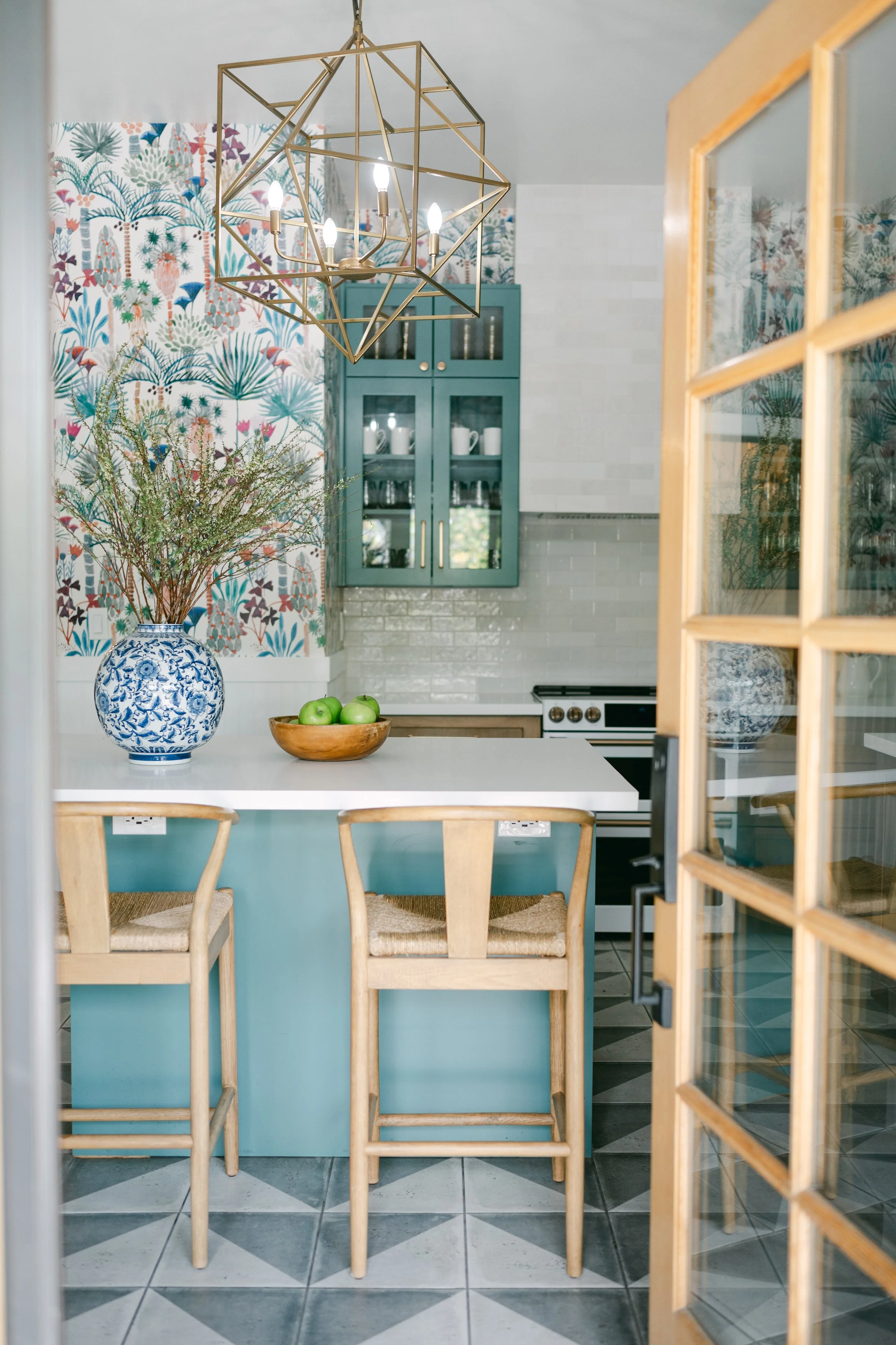
Our gourmet kitchen, yours to enjoy!
In-house catering means the venue feeds your guests. Outside catering means you get to choose who does that. Most venues fall into one of three models, and knowing which one you’re dealing with tells you how much control you’ll have.
1. Exclusive in-house catering. The venue’s own kitchen and staff handle everything. You pick from their menus and packages, and outside food is usually off the table.
2. Preferred vendor list. The venue gives you a short list of approved caterers. You can choose among them, but going off the list may cost extra or not be allowed at all.
3. Open (outside) catering. You bring whoever you like: a full-service caterer, a food truck, a favorite restaurant, or food you make yourself. Maybe you want to bring in stacks of take-out pizzas. Maybe you want full reign of the kitchen for a family-style meal. Maybe your best friend is the caterer — but not at that venue. With open catering, anything goes.
The pros and cons of in-house catering
In-house catering trades flexibility for convenience. For some events, that’s a great deal. For others, it’s a costly one — and the limitation might chafe a bit.
The upside
One point of contact. The venue handles food, staffing and timing, so there’s less to coordinate.
A team that knows the space. In-house staff know the kitchen, the layout and the flow of a typical event.
Fewer vendors to vet. You skip the search for a caterer entirely.
The downside
Minimums. Many venues require a food and beverage minimum, which you pay even if fewer guests show up.
Limited menus. You choose from set packages, so cultural dishes, family recipes or a very casual spread may be off the table.
Less price control. You can’t shop around or scale down to something simpler, like a taco bar or pizza.
Alcohol rules. In-house venues often require you to buy drinks through their bar program.
Hidden catering costs to ask about
The price on a catering package is rarely the final number. Before you book, ask whether any of these apply:
Food and beverage minimum: a set dollar amount you must spend, regardless of final headcount.
Service charge: a percentage added to the food bill. It’s often not a tip for staff, so ask what it covers.
Outside catering fee: a charge for bringing in a caterer who isn't on the venue’s list.
Corkage fee: a per-bottle charge for opening wine or liquor you bring yourself.
Cake-cutting fee: a per-slice or per-guest charge for serving a dessert you brought in.
Bartender requirement: a rule that only the venue’s bartenders, or licensed ones you hire, can pour.
None of these are unusual on their own. But put them all together, and the bottom line for your event goes way up.
Why some hosts prefer venues that allow outside catering
For smaller gatherings, outside catering usually wins on cost and personality. What that looks like depends on the event.
Corporate events and holiday parties. Office budgets rarely stretch to a plated dinner with a food and beverage minimum. Open catering lets you order from the team’s favorite local spot, set up a grazing board or hire a caterer who fits the budget you actually have.
Baby showers, bridal showers and milestone birthdays. These celebrations often run on family recipes and homemade desserts. When the food is part of the love, being told you can't bring it in takes something away from the day.
Micro weddings. Many in-house packages are built for 100 or more guests. With 30 or 40 people, you can hire a caterer who designs a menu for your size instead of paying for a package built for someone else’s wedding.
Any event with specific dietary needs. Halal, kosher, vegan or allergy-friendly menus are way easier when you choose the cook.
Looking for a Reno venue where you choose the food?
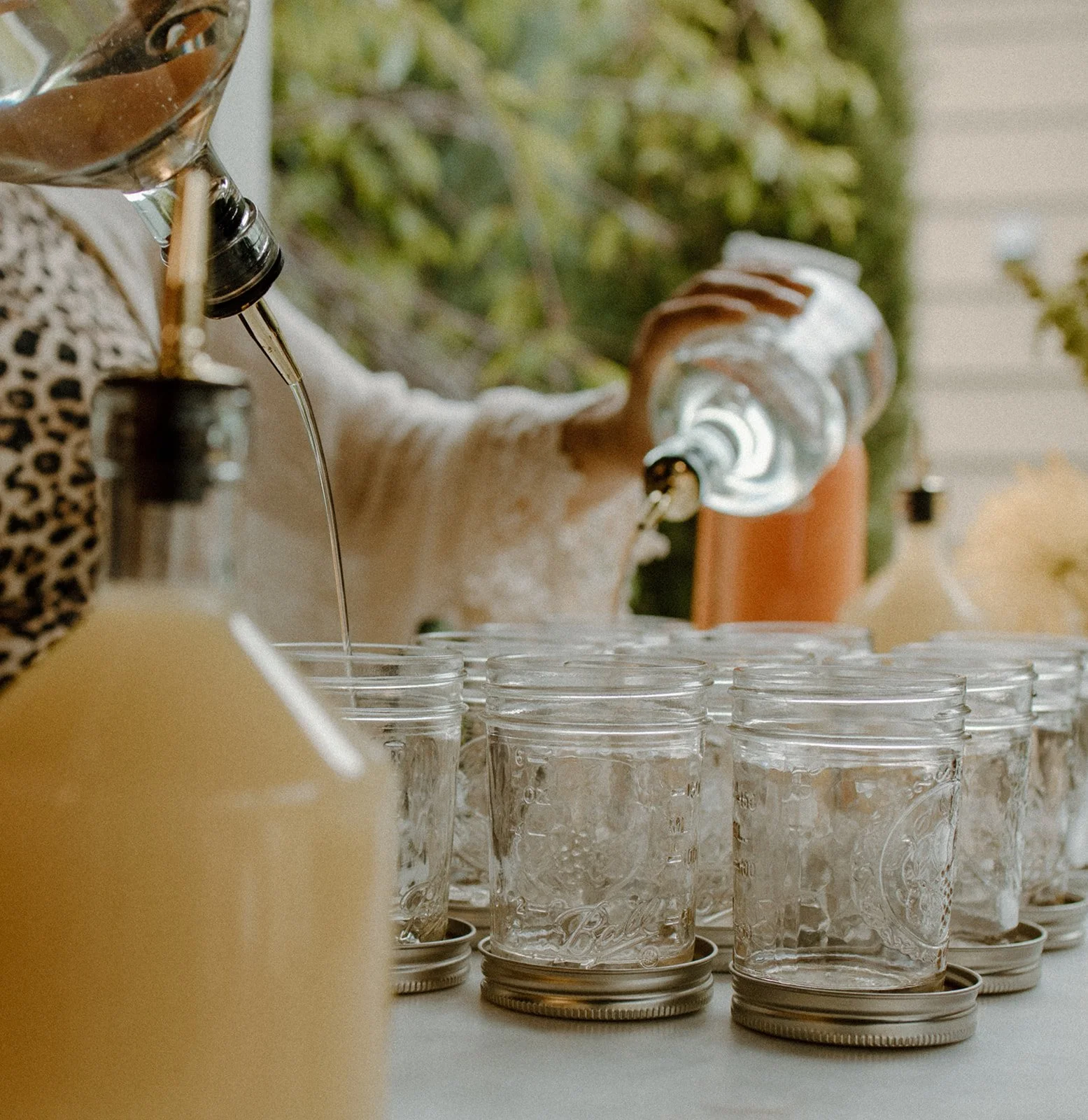
Signature cocktails, anyone?
At Flow’s Boutique Venue, you’re never locked into a catering contract. Our restored 1924 Victorian in downtown Reno hosts up to 50 guests, with space for more on request, and the menu is entirely yours. We’re big fans of the open-catering content because it means your food, your way:
Cook in our gourmet kitchen. Prep the family recipes yourself or bring in a private chef (fun!).
Bring takeout. Your team’s favorite Reno restaurant is fair game.
Hire your own caterer. Anyone you like, with no outside catering fee.
Ask for our recommendations. We’re happy to share our take on the best local caterers — the people who’ve really impressed us before.
Your drinks, too. For private events at Flow’s, there’s no bar program to buy into. Bring your own, pour it yourself and whip up the signature cocktail your sister has been texting you about. There’s no bartender requirement, no minimum and no corkage fee.
One caveat: At Flow’s, events open to the general public require a licensed bartender and City of Reno approval. If you’re planning something ticketed or open-door, let us know ahead of time and we’ll help you plan for it.
Questions to ask any venue about its catering policy
Whichever venue you’re considering, these questions will surface the real rules before you sign:
Do you require in-house catering or a preferred vendor, or can I bring anyone?
Is there a food and beverage minimum? What happens if my guest count drops?
Are there fees for outside food, outside caterers, cake cutting or corkage?
Can I bring my own alcohol? Do you require a licensed bartender?
Is there a kitchen my caterer can use, or just a prep area?
Are tables, linens and serving pieces included, or will I need rentals?
Does my caterer need insurance or a business license to work on-site?
Are the rules different if my event is open to the public?
The bottom line
An in-house caterer means the venue controls the menu, and usually the budget too. That works for some events. But if you want your grandmother’s recipes, your office’s favorite lunch spot or a signature cocktail you mixed yourself, look for a venue that lets you choose. Psst… in Reno, that’s us!
Planning a holiday party, shower, milestone birthday or micro wedding in Reno? Book a tour of Flow’s Boutique Venue and see the space where the food — and every other detail — is up to you.
Frequently asked questions
-
It depends on the venue's catering policy. Venues with exclusive in-house catering usually don't allow it, while venues with open catering let you hire anyone. At Flow's Boutique Venue in Reno, you can bring any caterer with no added fee.
-
A food and beverage minimum is the lowest dollar amount you’re required to spend on food and drinks through a particular venue. If your final bill comes in lower, you typically pay the difference anyway.
-
Not always. In-house packages can be efficient for large events, but minimums and service charges often make outside catering more affordable for small gatherings. Plus, there’s also the flexibility factor — with outside catering, you’re fully in charge and not limited to an in-house menu.
-
A corkage fee is a charge for opening and serving alcohol you bring yourself, usually per bottle. Flow's Boutique Venue in Reno charges no corkage fee for private events.
-
Some Reno venues allow it, but many don't. At Flow's Boutique Venue, private events can bring and pour their own alcohol with no bartender requirement. Events open to the public need a licensed bartender and City of Reno approval.