
Why a Historic Home Beats a Banquet Hall for Your Reno Event
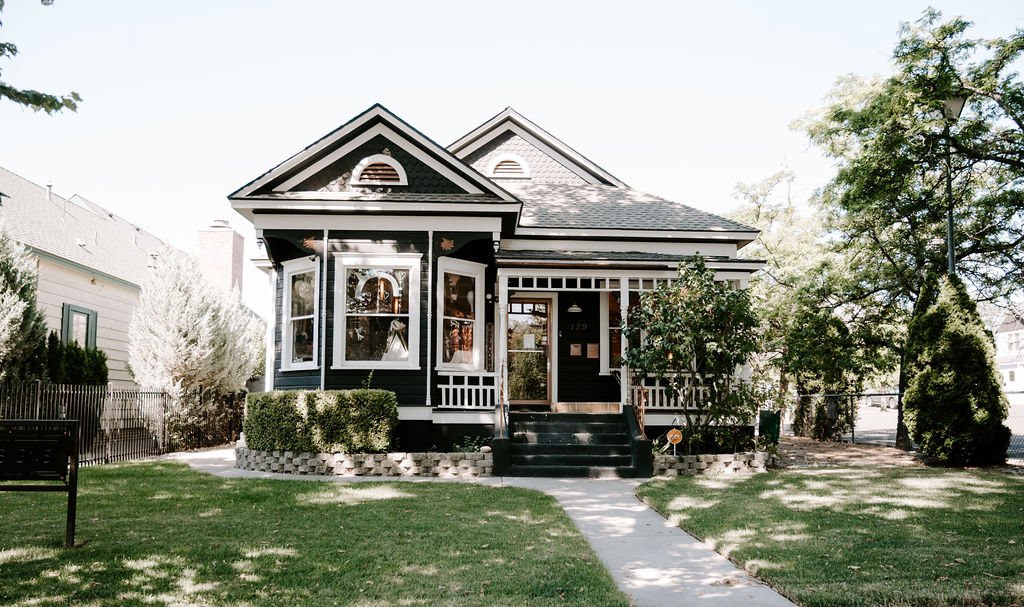
Flow’s in all its glory!
We’ll get right to the point if you’re debating venues for your Reno event: a historic home works better than a banquet hall for most gatherings under 50 guests because the atmosphere and vibe come built-in. Original architecture, beautifully decorated yet functional rooms, and flexible outdoor space mean you spend your decor budget personalizing the space, not establishing one from scratch, your photos are incredible, and a smaller guest count fills the room instead of rattling around it. But let’s give credit where it’s due: banquet halls make more sense if you’re hosting a big crowd (more than 100 guests), or if you need full A/V and a stage.
That’s the short version. Here's the longer one, drawn from our experience hosting countless showers, weddings, dinners, and celebrations inside our restored 1924 Victorian on Bell Street, right here in downtown Reno.
Decor goes further in a space with good bones
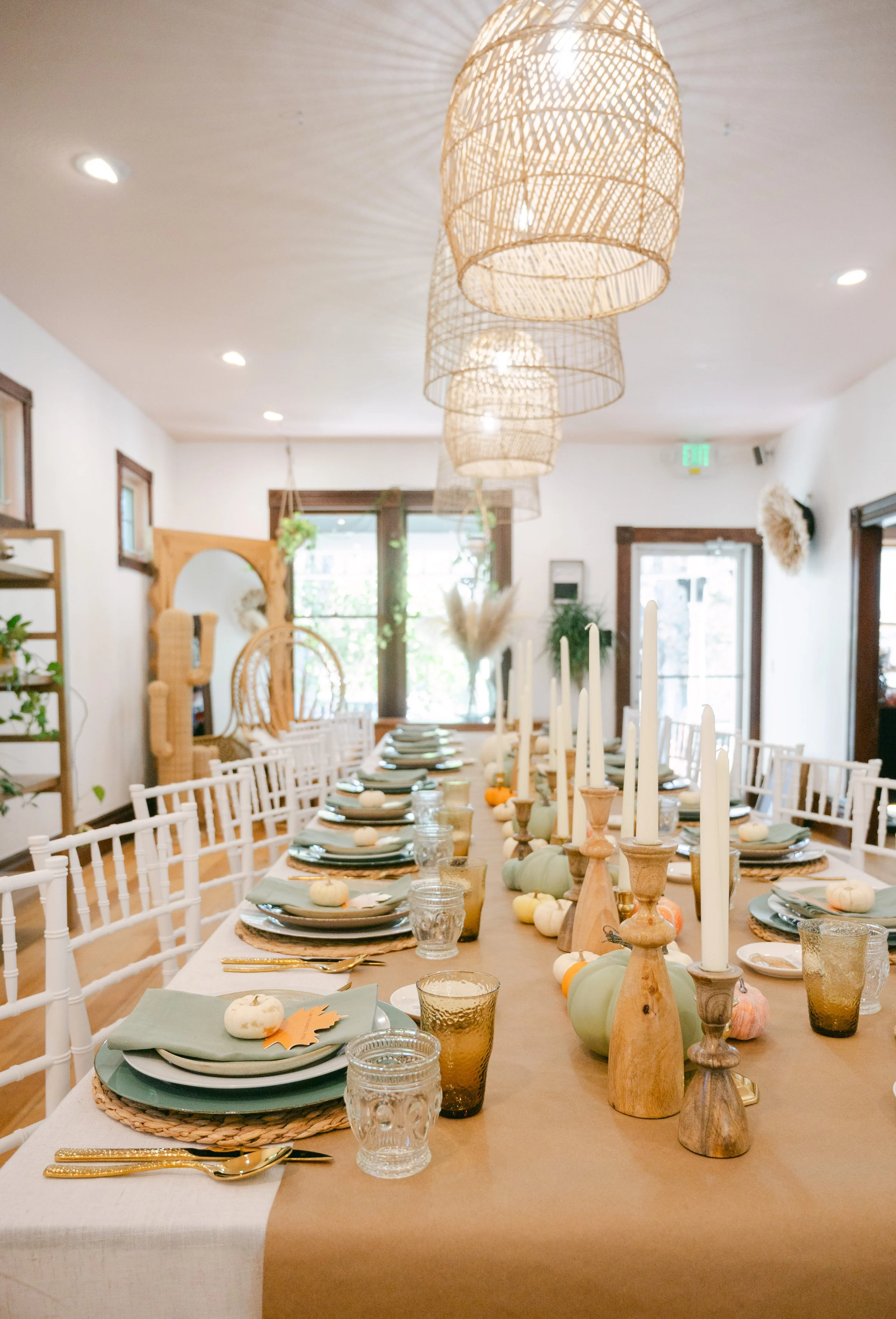
Original moldings, tall ceilings, and natural lighting in our dining room.
In Reno, “banquet hall” mostly means a casino ballroom. Think twenty-foot ceilings, chandeliers, patterned carpet, a footprint for three hundred. It photographs as blandly impressive but it feels like anybody’s celebration.
Here’s the problem: the grandeur isn’t yours. This is the same space that hosted a medical conference last weekend and has a sales kickoff booked for next month — same configuration, same lights. The room already has an identity, and it’s something you can mask with, well, a lot of work. Draping. Uplighting. Linens. Centerpieces tall enough to matter under a ceiling two stories up. A backdrop, because the wall behind the head table is literally a blank wall. Hosts routinely spend more making a ballroom look like something than they spent booking it, and the result still looks like a ballroom that someone spent money trying really hard to hide.
A historic home comes with its atmosphere intact, thanks to details like original millwork, wood floors, tall windows with real daylight, doorways with actual trim, a porch. None of that is a line item. All of that was all built into the house on Bell Street a century ago, and the events we host are all the better for it.
That doesn’t mean you arrive empty-handed. Hosts are absolutely free to style the space solo or with our help, and the best events here are the personal ones — a meaningful color palette, a table you’ve been planning for months, someone’s favorite flowers, a sign in your talented niece’s handwriting. The difference is where that effort goes. In a ballroom, your decor budget is spent establishing a look from zero. Here it’s spent fine-tuning one that already exists. The same arrangement reads better on a long dining table with stylishly mismatched chairs than on a banquet round, and the same string of café lights does more in a courtyard than under a twenty-foot ceiling.
The bottom line here is that you aren’t compensating for the room. You’re collaborating with it.
It helps that Flow’s was put together by people who do this professionally. Our co-owners have backgrounds in interior design and hospitality, and their fingerprints are everywhere — the restoration, the furniture, the lighting, the way the rooms flow into the courtyard. When you walk the floor plan together two weeks out, you’re getting a designer’s read on where the food table should sit and which corner the light hits at five o'clock.
Your photos will look like a place, not a room
This is the difference people tend to underestimate — until they see our photo gallery.
Ballroom photography has a look, and you’ve seen it. Round tables shot wide under artificial light, against a background that could be any casino in any city with a river running through it (which does, admittedly, narrow things down). There are no windows, so your photographer gets exactly one lighting condition (and it never changes). Every frame is the same frame, so even the best photographer is limited.
Historic buildings give a photographer something to work with. Window light falling across a wood floor. A doorway to frame a portrait. A porch and a courtyard at golden hour with string lights coming on overhead. It gives photographs texture, depth, and variety to play with, all within a few steps of each other. That translates to better photos (and a grateful photographer).
Small gatherings feel full, not sparse
Forty guests in a room built for three hundred looks like a mistake. No arrangement fixes it. The empty perimeter reads as absence, conversation dissipates upward into all that ceiling, and every photo has a stretch of unused carpet.
The same forty guests in a house feel like, well, a full house, in the best way. Rooms scaled for living hold people at the right density. Guests spread between the dining room, the sitting room, kitchen, and the patio — clustering, drifting, finding each other. That circulation is what makes a party feel alive, and it happens by itself in a home with real rooms.
If you're hosting fewer than 50 people, this alone should make the decision for you.
Isn’t a house more work?
This is the reason a lot of people default to a hall. The assumption is that a banquet hall comes with staff and a historic home comes with a to-do list.
At Flow’s Boutique Venue in Reno, we’re happy to tell you that’s completely backwards.
Tables and chairs are included at no extra cost for events up to 50 guests (and we can usually handle a few more, too). They aren’t a rental line item or something you need to haul in. Setup and breakdown are handled entirely by the venue team (if you’re bringing in external rented equipment, it’s on you to arrange drop-off and pick-up). We’ll walk through your floor plan together two weeks before the event, and the room is arranged exactly to that plan before you arrive.
That reframes things a bit. The comparison isn’t charming-but-laborious versus convenient-but-generic. You get the century-old house and someone else moves the furniture. How’s that for convenience?
One note here: this is specific to Flow’s in Reno. If you’re touring a historic venue somewhere else, it could be a different scenario entirely — some beautiful old buildings are strictly a handoff, so make sure you’re clear on how things work.
You have real control over the food
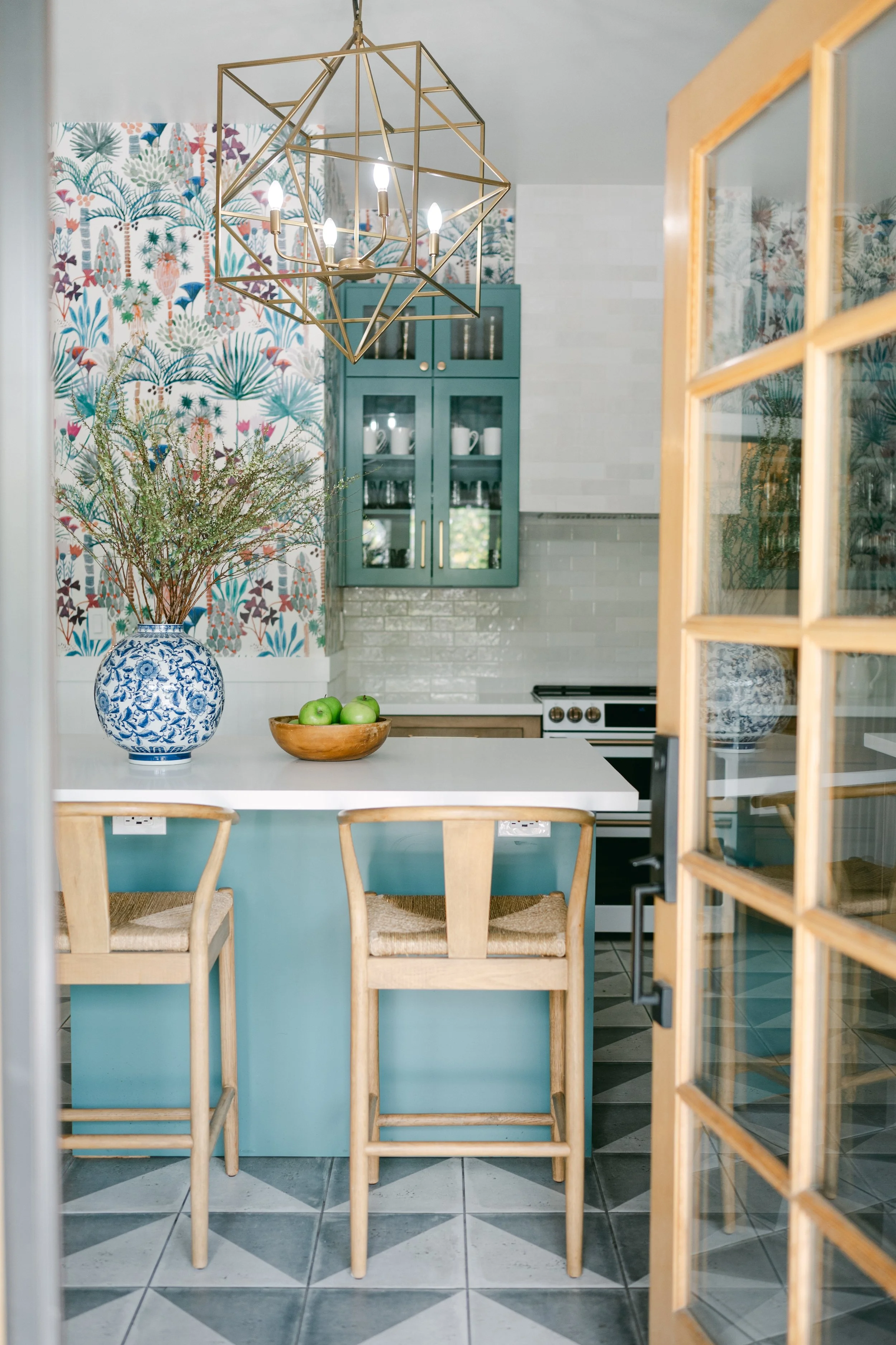
Our kitchen, at your disposal!
Most banquet halls mandate the use of their in-house catering. That’s the business model: the room is priced relatively attractively, and the margin lives in the per-plate cost and the bar minimum. You choose from a set menu, and if your family has a caterer, a favorite restaurant, or a cuisine that matters to your celebration, it usually isn’t an option.
Flow’s works the opposite way. You’re welcome to bring in outside food and drink and handle that part however you like (real talk: have you seen our kitchen?). If you'd rather not start from scratch, we have a curated preferred vendor list that includes caterers who already know the space and the kitchen — but it’s a shortcut, not a requirement.
The kitchen is fully updated, with real counter space, refrigeration, and storage that a professional team can actually work in. That flexibility affects both budget and meaning. Your grandmother’s recipes, a favorite taco truck, a friend who bakes, a bar cart you stock yourself — none of it requires an exception.
The bar is yours too
Casino ballrooms make much of their money on beverage. Bar minimums, per-drink pricing, mandatory service staff — the room rate looks reasonable and then the bar tab arrives.
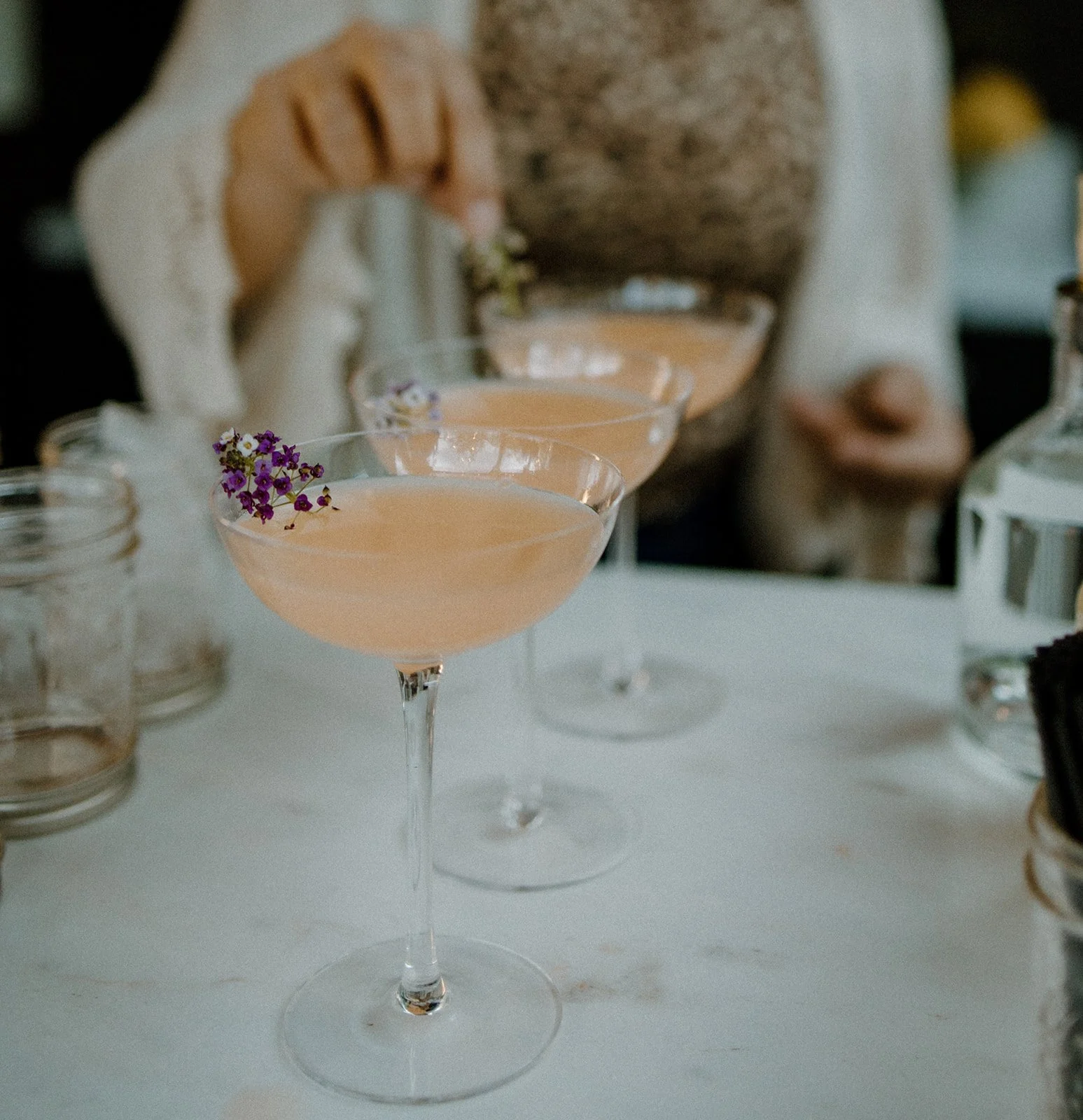
Signature cocktails, anyone?
For private events at Flow’s, there’s no bar program to buy into. Bring your own alcohol, pour it yourself, build the signature cocktail your sister has been texting you about. No bartender requirement, no minimum, no corkage.
The exception is events open to the general public rather than an invited guest list. Those require a licensed bartender and City of Reno approval, which is a different process — worth raising early if you’re planning something ticketed or open-door.
For a shower, a milestone birthday, a rehearsal dinner, or a micro wedding, none of that applies. It’s your party and your bar, so bring on the signature drinks!
Your event is the only event
Larger venues often run multiple rooms at once. Your reception shares a lobby, a parking lot, and sometimes a wall with a conference or a quinceañera. Sound bleeds. Guests take a wrong turn. Staff attention divides.
A house rental is a buyout by definition. Every room, the backyard, the patio, the kitchen — yours for the booking, with no other party in the building and no turnover clock behind you. The privacy isn’t an upgrade tier. It’s the whole product.
Weekdays are worth considering
Because the whole house books as one event, weekday availability is genuinely open instead of just what’s leftover. Weekdays suit corporate gatherings, workshops, networking mixers, and smaller celebrations that want a lower-key feel.
Banquet halls tend to price and staff around weekend volume. A boutique venue can give a Tuesday evening the same attention as a Saturday.
When a banquet hall is genuinely the better call
We’ll be the first to say that historic homes aren’t right for everything. Pretending otherwise doesn’t help anyone plan, so let’s be straightforward here.
Choose a banquet hall or a larger event center when you’re hosting well over 100 guests, when you need a stage and professional A/V for presentations, or when you need a large attached parking structure.
One more, specific to downtown Reno: city ordinance requires music and noise to end by 10 PM. Flow’s follows it, as does any venue in a residential-adjacent neighborhood. If your celebration depends on dancing until 1 AM, a hall or a casino property is the honest answer. Most showers, dinners, milestone parties, and micro weddings finish comfortably before then — but it’s better to know now than to plan a late-night l ast dance you can’t have.
Those are real requirements. A venue that claims to be perfect for every event is selling, not advising.
What to ask any historic venue before booking
Not all older buildings are set up to host well. Some are beautiful and impractical. Before you book, ask:
What’s the guest capacity, and is there flexibility above it?
Are tables and chairs included, or rented separately?
Does the venue team handle setup and breakdown, or is that on you?
Is outside catering allowed, and is the kitchen usable by a professional team?
Where do guests park, and is it on site?
What’s the minimum rental period, and what does overtime cost?
Is there a noise or music curfew in that neighborhood?
What’s the alcohol policy?
Which spaces are step-free, and where are the stairs?
What’s the weather backup if part of the event is outdoors?
Where that leaves you
If you’re hosting three hundred people and a keynote speaker, book the ballroom. That’s what it’s built for, and no amount of charm substitutes for a loading dock and a sound booth.
But for fifty or fewer — a shower, a milestone birthday, a rehearsal dinner, a micro wedding — choosing between a banquet hall in Reno and a historic venue like Flow’s isn’t a close call. Your decor budget goes toward making the day yours instead of making a room presentable. Your photos have windows in them. Your guests spread across a house instead of pooling in the middle of a floor built for six times their number. And from the moment you arrive until the last guest leaves, the place is yours alone.
A century of birthdays, holiday dinners, and ordinary Tuesday evenings happened in this house before yours did. That’s the part a ballroom can’t rent you.
See the space | Schedule a tour
Frequently asked questions
-
It varies, but most fall between 20 and 60 guests. Flow’s Boutique Venue in downtown Reno hosts up to 50, with larger groups welcome by special request. If you're planning for well over 100, a larger event center is the better fit.
-
Not at Flow's in Reno. Our venue team handles all furniture setup and breakdown, and we’ll confirm the floor plan together two weeks before the event. Policies vary widely between historic venues, so ask before you book.
-
You can at Flow’s. Outside food and drink are welcome, and the kitchen is equipped for a professional team. A preferred vendor list is available if you'd rather book someone who already knows the space. Many banquet halls require in-house catering with no outside option, so it's worth asking anywhere you tour.
-
Downtown Reno city ordinance requires music and noise to end by 10 PM, which applies to Flow's and to other venues in residential-adjacent areas. Larger halls and casino properties in commercial zones may be able to run later. If a late-night reception is essential, confirm the curfew before you book anywhere.
-
At Flow's, yes, for private events. There's no bartender requirement, no bar minimum, and no corkage — you supply and serve your own. Events open to the general public are different and require a licensed bartender plus City of Reno approval. Most casino ballrooms run in-house bar programs with minimums, so this is one of the larger cost differences between the two.
-
Partially, and it's worth planning around. The front entrance has steps and is not wheelchair accessible. The back entrance has three stairs that a rentable ramp can cover, which makes the main floor reachable, and there's an ADA-compliant restroom on site. Let the venue know when you inquire so the ramp is arranged before your date. Historic buildings vary widely on this, so ask any older venue the same question specifically rather than assuming.
-
For a Saturday in peak season — late spring, early summer, or December — plan on several months out, since a venue that books one event per day has a finite number of Saturdays. Weekdays and off-season dates are considerably more available and often open a few weeks ahead. If you have a fixed date, inquire before you finalize anything else; the venue is usually the constraint everything else gets planned around.